Athlete intake
Sport, age, grade, travel team, school season, NCAA prep goal, tactical goal, training history, current limitations, and parent goals.
Bloomington-Normal youth strength and conditioning
The Performance Lab trains young athletes for travel seasons, varsity opportunities, NCAA prep, college-goal conversations, and coach-ready proof. The work is speed, strength, power, movement quality, conditioning, confidence, and a clear plan parents can understand.
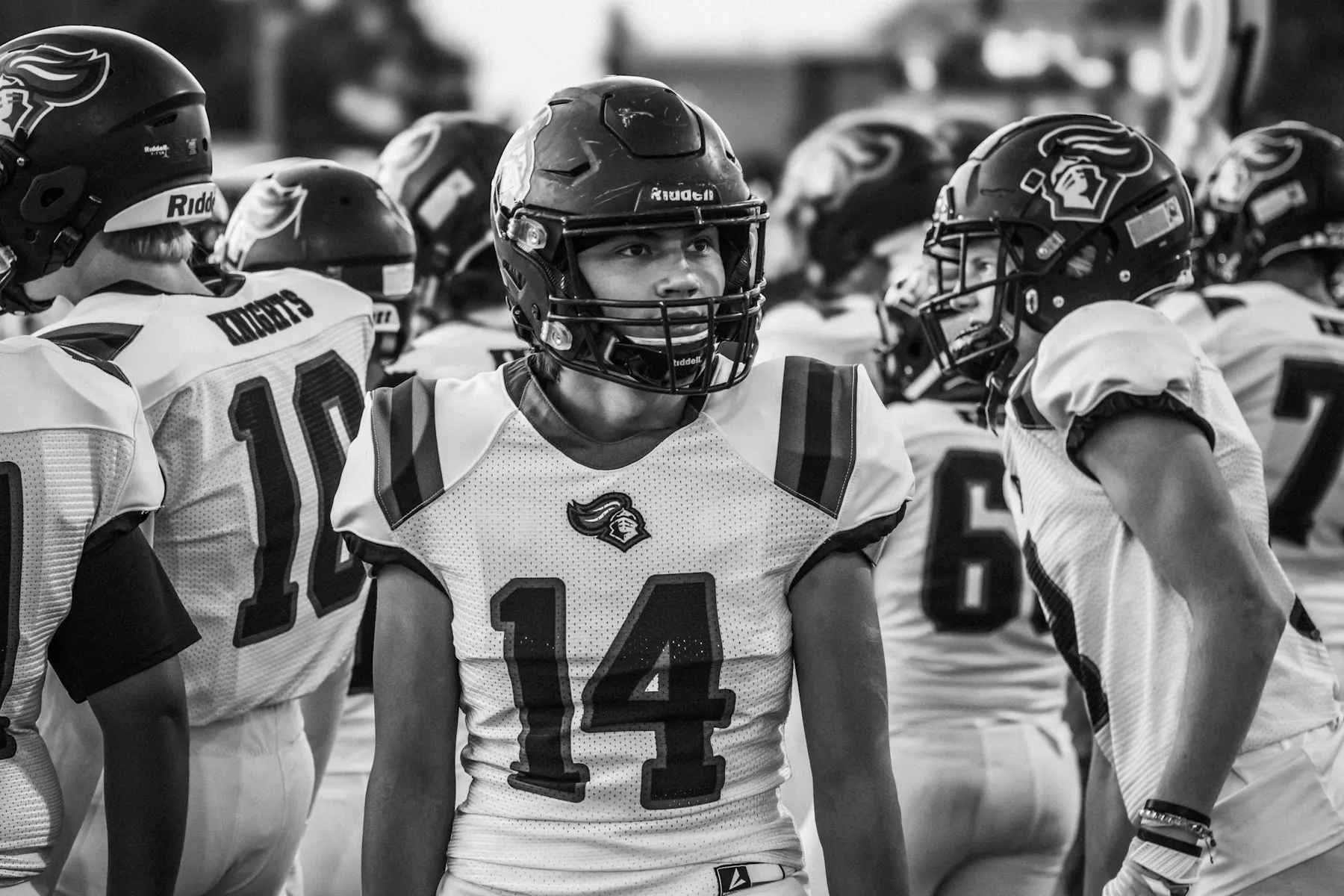
Assessment protocol
Austin's first job is not to sell a package. It is to understand the athlete: sport, age, grade, travel schedule, school season, college-goal or tactical goal, training history, limitations, and the standards that make the next block of work clear.
Sport, age, grade, travel team, school season, NCAA prep goal, tactical goal, training history, current limitations, and parent goals.
Age-aware baselines for movement quality, speed, strength, jump, and conditioning where relevant.
Group, semi-private, individual, travel-team, or school-season work based on fit, consistency, and the athlete's calendar.
Plain-language updates that help parents understand what changed, what is being trained, and what evidence can support coach conversations.
Who it serves
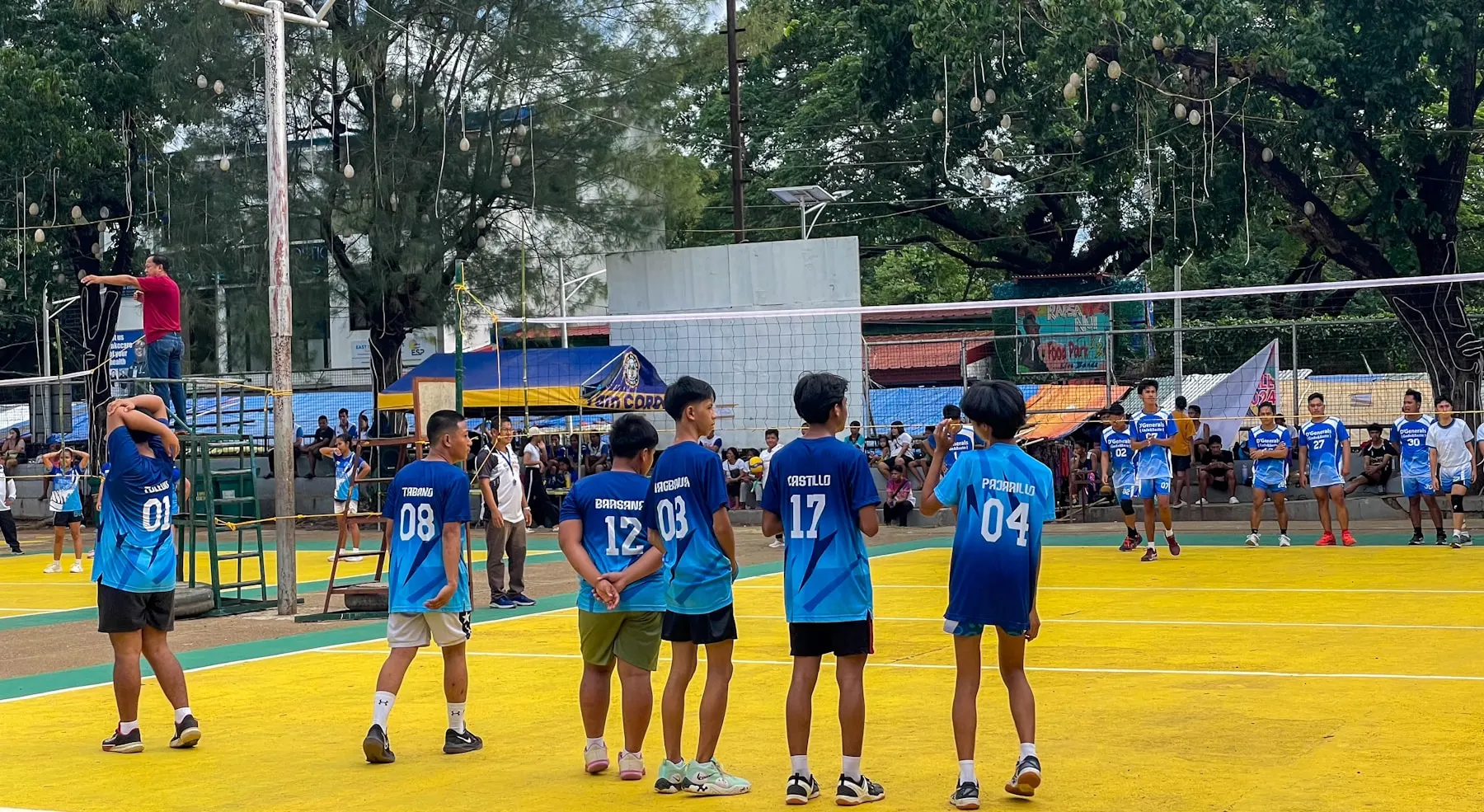
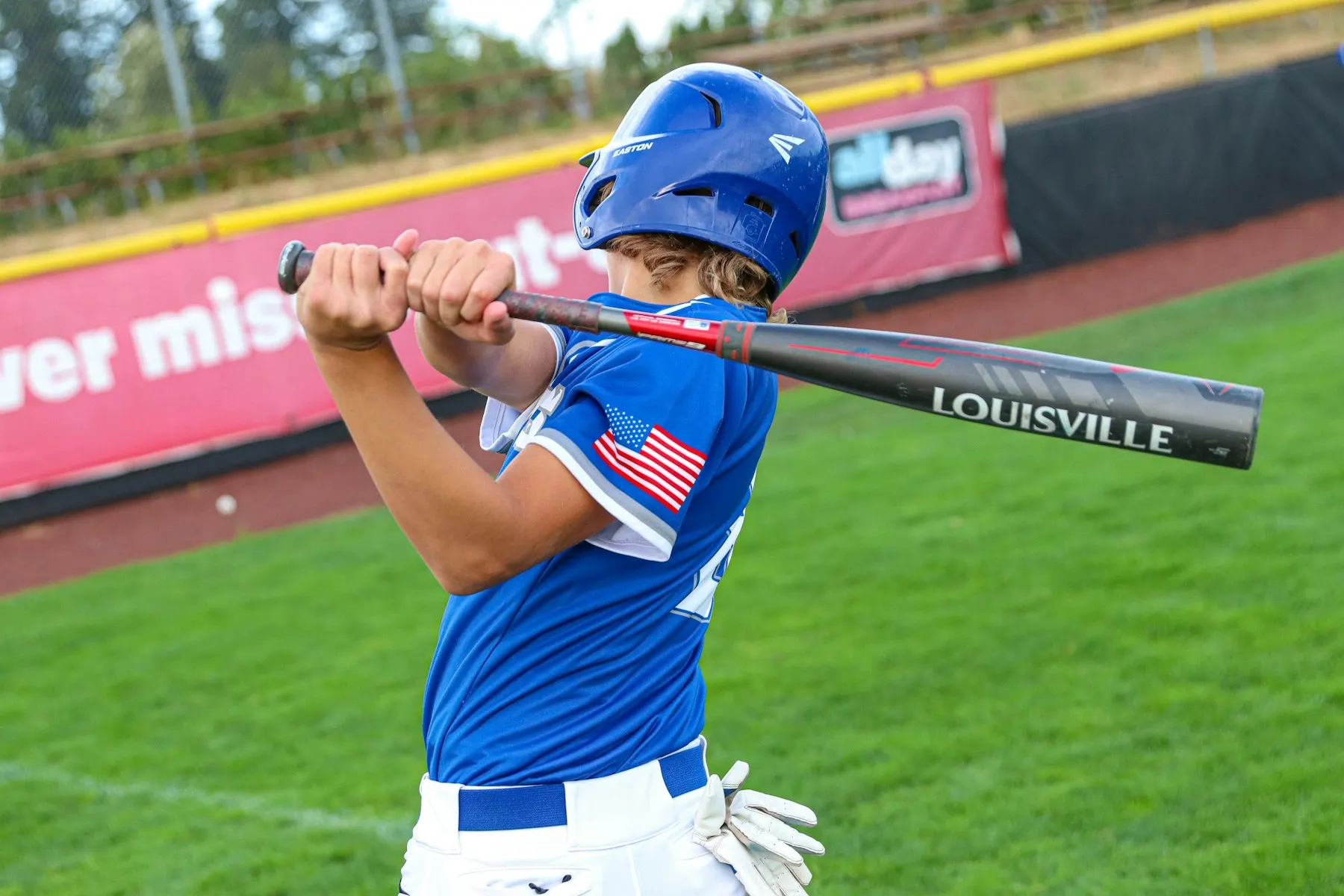
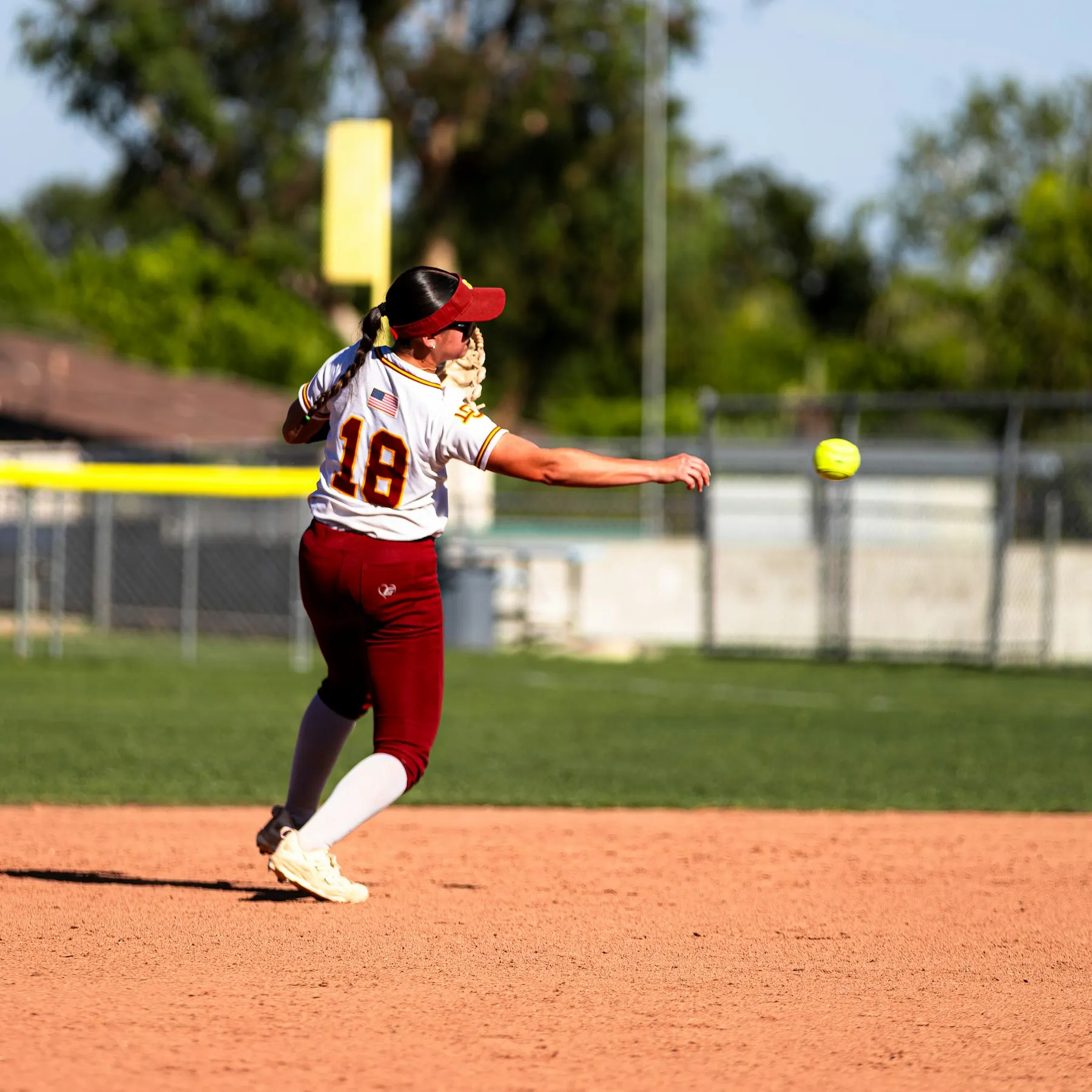
Baseball and softball athletes can train here, but the room is not a baseball-only cage. Court athletes, field athletes, hockey players, track athletes, golfers, wrestlers, and multi-sport kids all need better movement, speed, strength, conditioning, and preparation.
Specialty lanes
The Bloomington-Normal lane is clear: serious strength and conditioning for middle school athletes, high school athletes, college-goal athletes, and tactical candidates who need measured preparation.
College-goal athletes train speed, strength, power, conditioning, movement quality, and coach-ready progress evidence without scholarship, recruiting, or college-placement guarantees.
Middle school and high school athletes get age-aware coaching, baseline testing, smart loading, retesting, and parent-facing progress reviews.
Military prep and tactical fitness work can focus on strength, conditioning, work capacity, movement quality, and disciplined readiness without medical claims.
Training standards
The system starts with baselines, coaching standards, session notes, and progress reviews. No scholarship promises. No recruiting guarantees. No injury-prevention claims. Just better training structure and better visibility for athletes, parents, coaches, college-goal conversations, and tactical-readiness goals.
Measure what the program actually uses: speed, jump, strength, movement quality, and conditioning.
Short updates explain what improved, what needs attention, and what block comes next.
Off-season, tryout prep, travel season, school season, team, college-goal prep, military prep, tactical conditioning, and return-to-training-after-clearance work are named clearly.
Competitor contrast
Useful for hitting, throwing, and cage access. Weakness: families with court, field, track, golf, wrestling, and multi-sport needs can feel like an afterthought.
Useful for technical work. Weakness: many athletes still need speed, strength, deceleration, conditioning, movement quality, and a real training plan.
Youth-athlete-only performance: train movement, speed, strength, conditioning, confidence, and proof around the athlete's travel and school season.
Request assessment
The next step is a short intake: sport, age, grade, travel team, school season, schedule, NCAA prep goal, military or tactical goal, and what the athlete needs to build. If the secure intake service is unavailable, the form opens an email to Austin instead of dropping the request.